 DE
DE  EN
EN 
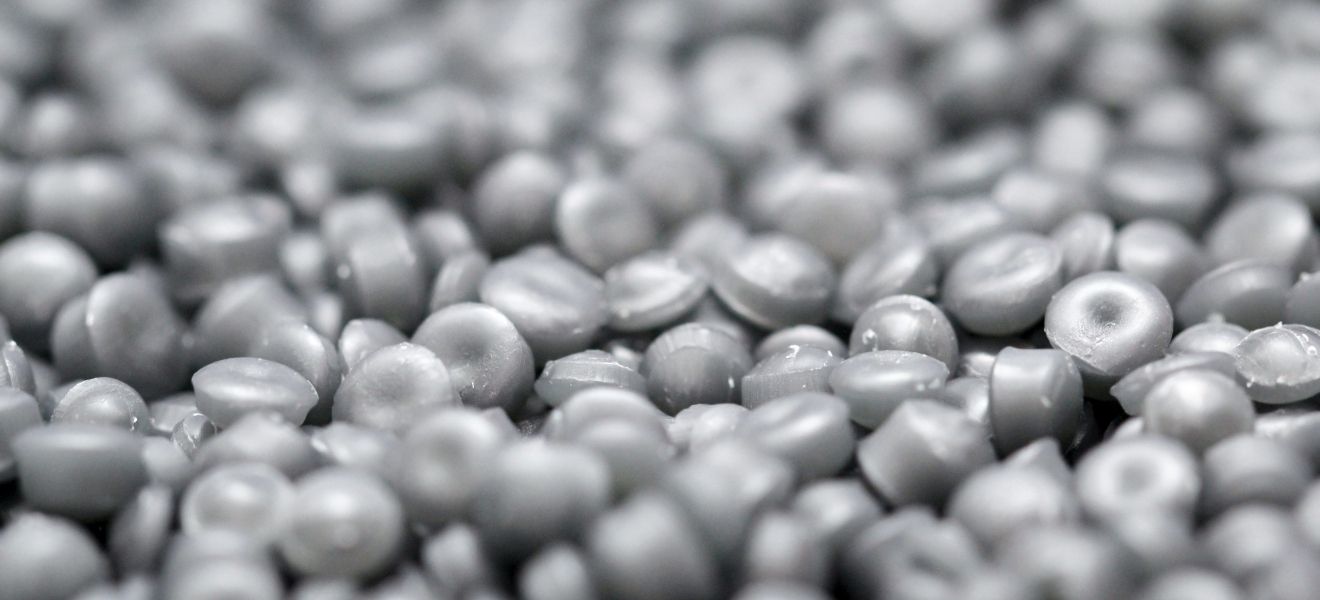
Reliable water treatment begins with clean resin and arsenic-free drinking water.
Regular resin cleaning and the targeted removal of arsenic from drinking water are essential for reliable water treatment.
1. How water softeners work
Water softeners work with highly acidic cation exchange resins, which enable ion exchange between calcium and magnesium ions (hardness components) and sodium ions. The resin consists of polystyrene and contains sulphonic acid groups, which are responsible for the ion exchange.
2. Regeneration of the resin
During regeneration, sodium ions (Na+) from a saline solution are introduced into the resin. These displace the previously absorbed hardness minerals from the hard water, so that the resin is ready for use again.
3. Causes of resin performance loss
The effectiveness of the resin can be reduced by deposits such as iron or manganese compounds, humic substances or other organic substances. These impurities clog the fine channels in the resin and hinder ion exchange.
4. Resin cleaning to restore performance
To avoid unnecessary replacement of the resin, regular resin cleaning is recommended. Ideally, this should be carried out on site as part of maintenance.
Our service: We offer professional resin cleaning and maintenance by our customer service team – tailored to your individual system.
5. Arsenic in drinking water
Arsenic is a dangerous pollutant that can occur in drinking water without changing its colour or taste. It often originates from naturally occurring sedimentary rock and is released when the groundwater level drops.
6. Legal limits
According to the Drinking Water Ordinance (TVO), the limit value for arsenic in drinking water is 10 μg/l. Experts consider this value to be borderline high for small children and infants.
7. Removal of arsenic with iron(III) hydroxide
Granular iron(III) hydroxide is used to remove arsenic. The arsenic ions are bound to the surface by adsorption and chemically converted into iron arsenate.
Fe(OH)₃ + H₃AsO₄ → FeAsO₄ + 3 H₂O
8. Further advantages of the filter granulate
In addition to arsenic, iron(III) hydroxide granulate also binds other substances such as lead and organic compounds in water. It therefore offers a comprehensive solution for drinking water treatment.
9. Requirements for arsenic treatment
In the event of elevated arsenic levels, we request a current water analysis and your consumption data so that we can recommend a suitable filter solution .